 6 min read
 Stunning Before & After: Transforming Commercial Spaces with Interior Painting
Commercial Interior Painting Transformation: A NYC Case Study
The Challenge: Why Commercial Interior Repainting Matters
When a mid-sized financial services firm occupying 12,000 square feet in a Midtown Manhattan building approached us in early spring, their challenge was immediate and multifaceted. The office space had not been repainted since its initial tenant fit-out nearly nine years prior, and the wear was conspicuous. High-traffic corridors showed scuff marks at waist and shoulder height. Conference room walls bore the ghostly outlines of former artwork and whiteboards. The reception area, which should have projected confidence and professionalism to clients and prospects, instead communicated neglect.
The firm’s leadership faced a common dilemma among Manhattan commercial tenants: how to refresh aging interiors without disrupting daily operations or triggering lease complications. Their workforce of 47 employees operated on a demanding schedule, frequently hosting client meetings and regulatory reviews that could not be postponed. Any downtime would translate directly to lost revenue and damaged client relationships. Additionally, the building’s management imposed strict constraints on work hours, material deliveries, and ventilation system modifications, all of which are typical in pre-war commercial structures throughout the borough.
Beyond aesthetics, the project had functional urgency. The existing paint had begun to fail in certain areas where moisture infiltration near perimeter windows had caused bubbling and adhesion loss. These conditions, while not yet critical, would only worsen with the humid summer months ahead. Moreover, the firm was preparing for a competitive hiring cycle and understood that workspace quality directly influences talent acquisition in today’s market. Prospective employees evaluate office environments as extensions of corporate culture, and a dated, poorly maintained space signals organizational stagnation.
Product Selection and Surface Prep: The Foundation for Success
Product selection for commercial interiors differs fundamentally from residential applications. We specified a low-VOC, zero-odor acrylic latex coating system designed specifically for occupied commercial environments. The base coat utilized a high-hide primer that would neutralize the existing color variations across different wall sections while providing superior adhesion to both the original paint and the repaired drywall patches. For the finish coats, we selected a matte-sheen formulation rated for Class A commercial durability. This finish resists scuffing and can be spot-cleaned without leaving shiny patches, a critical consideration in hallways and near elevator banks where contact is inevitable.
The color palette was developed collaboratively with the client’s leadership team and reflected current workplace design principles. The main office areas received a warm neutral that maximizes natural light reflection while reducing eye strain under fluorescent fixtures. Conference rooms were treated with a slightly deeper tone to create visual separation and encourage focus during extended meetings. The reception area employed an accent wall in a sophisticated charcoal gray that complemented the firm’s branding without overwhelming the relatively compact entry sequence.
Surface preparation consumed approximately 40 percent of the total project timeline, a proportion that may surprise clients accustomed to residential repaints. Our crew began by protecting all furniture, fixtures, and flooring with commercial-grade drop cloths and masking materials. We then conducted a room-by-room assessment, identifying areas requiring repair. Drywall cracks near door frames were routed out and filled with setting-type joint compound. Nail pops from the original construction were set below the surface and skim-coated. The perimeter walls showing moisture damage were treated with a stain-blocking primer after confirming that the underlying issue had been resolved by building management. We sanded all repaired areas to Level 4 finish standards, which eliminates any visual texture variation under both natural and artificial light.
One particular challenge involved the removal of adhesive residue from previous wall-mounted signage and cable management systems. Standard solvents would have introduced unacceptable odors in an occupied space, so we employed mechanical removal techniques followed by solvent-free adhesive removers. This added labor time but ensured that employees could continue working in adjacent areas without discomfort. In a city where commercial lease rates per square foot are among the highest in the nation, maintaining productivity during renovations is not optional; it is a project requirement as important as the final finish quality.
Execution and Minimizing Downtime: Working Around Your Schedule
The execution phase demanded meticulous scheduling and communication. We divided the 12,000-square-foot space into six zones, each corresponding to functional areas that could be isolated without severing critical circulation paths. Work proceeded on a rolling basis, with two zones active simultaneously. Our crew arrived at 6:00 PM each weekday, after the majority of employees had departed, and worked until 1:00 AM. This schedule allowed paint to dry adequately before employees returned the following morning, minimizing odor exposure even with our low-VOC products.
Weekend work proved essential for high-traffic common areas. The main reception area, central corridor, and communal break room were painted over a single weekend, allowing us to apply multiple coats without time pressure and ensuring these high-visibility areas presented a uniform, fully cured finish when the workweek resumed. Building management granted us extended access during this period, and we coordinated with security personnel to maintain proper access control and alarm system protocols.
Traffic flow management required constant vigilance. We established clearly marked temporary routes using floor tape and signage, directing employees around active work zones. Conference rooms were taken offline in a staggered sequence, ensuring that at least two remained available for scheduled client meetings at all times. The firm’s office manager served as our primary point of contact, providing us with a weekly calendar of critical meetings and site visits that could not be disrupted. We adjusted our zone sequencing twice during the project to accommodate last-minute schedule changes, demonstrating the flexibility required in occupied commercial environments.
Material logistics presented unique constraints. Manhattan buildings typically restrict freight elevator access to specific hours and require advance booking. We staged all paint, primers, and supplies in a designated storage area within the suite, ensuring that our crew had everything needed for each evening’s work without requiring mid-shift deliveries. Drop cloths and masking materials were deployed and removed daily to prevent tripping hazards and maintain a professional appearance. At the end of each shift, we conducted a thorough cleanup and returned furniture to its approximate original position, allowing employees to resume work with minimal disruption the following morning.
The Transformation: Results That Inspire
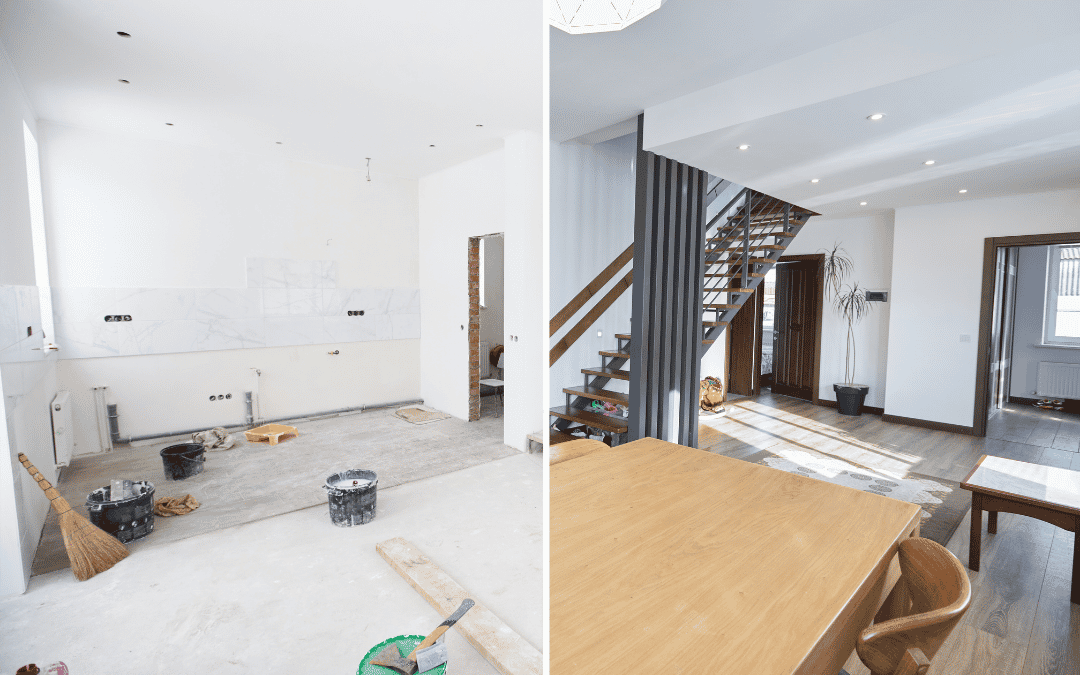
The completed project delivered results that exceeded the client’s expectations in both tangible and intangible ways. Visually, the transformation was striking. The uniform, fresh finish eliminated the patchwork appearance that had developed over nine years of localized touch-ups and repairs. Colors appeared consistent across all surfaces, even where different wall orientations received varying amounts of natural light throughout the day. The reception area, in particular, benefited from the accent wall treatment, which provided visual depth and a focal point that had previously been absent.
Employee response was immediate and positive. The firm’s managing partner reported that staff members spontaneously commented on the improved atmosphere, describing the space as feeling cleaner, brighter, and more professional. Several employees noted that the refresh had prompted them to organize their workstations and dispose of accumulated clutter, creating a ripple effect of workplace improvement beyond the paint itself. This phenomenon is well-documented in workplace psychology; environmental upgrades often catalyze behavioral changes that reinforce organizational culture and productivity.
Client perception shifted measurably. In the weeks following project completion, the firm hosted a series of prospective client meetings and received unsolicited compliments on the office environment. One visitor specifically mentioned that the space conveyed stability and attention to detail, attributes that are particularly valued in financial services relationships. The managing partner noted that the investment in property management and facility upgrades had become a talking point in business development conversations, signaling to prospects that the firm prioritizes quality in all aspects of its operations.
Maintenance benefits became apparent almost immediately. The new paint’s scuff-resistant formulation proved its value when a furniture delivery two weeks post-completion resulted in minor wall contact that would have marred the previous finish. The new coating showed no damage and required no touch-up. The firm’s facilities coordinator reported that routine cleaning had become more effective, as the fresh paint did not harbor the embedded grime that had accumulated in the previous finish’s micro-texture. This translates to lower ongoing maintenance costs and extended intervals between future repaints, improving the project’s long-term return on investment.
What We Learned: Lessons for Your Commercial Space
This project reinforced several principles that apply broadly to commercial interior upgrades. First, timing matters enormously. Scheduling work during lower-occupancy periods and coordinating with business calendars prevents disruption and ensures that the space remains functional throughout the process. For Manhattan commercial tenants facing rigid lease terms and high operational costs, maintaining productivity is not negotiable. A contractor who understands this constraint and builds flexibility into the project plan delivers value that extends well beyond the quality of the paint application itself.
Second, product selection must be driven by performance requirements, not just initial cost. The commercial-grade coatings we specified cost approximately 30 percent more per gallon than standard architectural paints, but their superior durability, cleanability, and low-VOC formulation justified the premium. In occupied commercial environments, the hidden costs of downtime, odor complaints, and premature failure dwarf the incremental material expense. Facility managers and building owners who focus exclusively on lowest-bid pricing often discover that they have purchased a false economy.
Third, surface preparation determines longevity. The temptation to minimize prep work and accelerate timelines is constant in commercial projects, where schedule pressure is intense and budgets are scrutinized closely. However, every hour invested in proper prep work extends the service life of the new finish by months or years. Drywall repairs, adhesive removal, and thorough cleaning are not optional steps that can be abbreviated without consequence. They are the foundation upon which a successful commercial repaint is built. Clients who understand this principle and select contractors based on methodology rather than schedule promises consistently achieve better outcomes.
Fourth, communication infrastructure is as important as technical skill. Our project succeeded because we established clear protocols for schedule coordination, issue escalation, and quality verification. The client’s office manager knew whom to contact with questions or concerns, and we provided daily progress updates that kept all stakeholders informed. In complex commercial environments involving multiple decision-makers and operational constraints, communication failures cause more project problems than technical deficiencies. A contractor who invests in project management and client communication delivers reliability that is worth a substantial premium.
If your commercial space in Manhattan, Brooklyn, or elsewhere throughout the boroughs is showing signs of wear, or if you are planning a tenant fit-out that requires kitchen remodeling, bathroom remodeling, or other interior improvements, the lessons from this project apply directly to your situation. A well-executed interior refresh is an investment in employee satisfaction, client perception, and long-term facility value. We invite you to request a consultation to discuss your specific requirements, timeline constraints, and performance expectations. Our approach begins with understanding your operational needs and building a project plan that delivers results without disruption. Contact us to schedule an on-site assessment and receive a detailed proposal tailored to your commercial space.
