 4 min read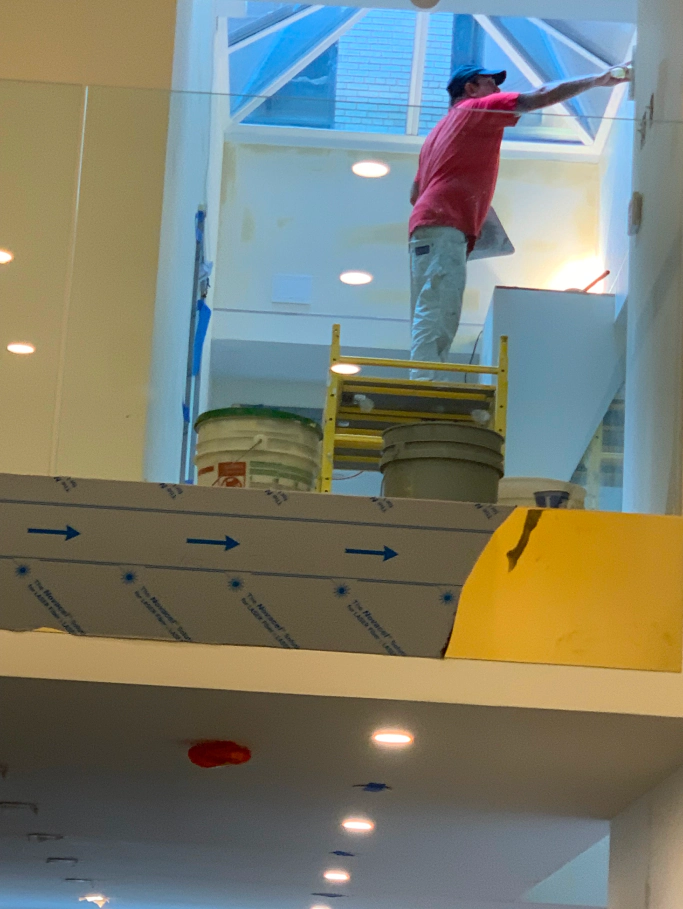
Before & After: Stunning Commercial Interior Painting Transformation
Why Commercial Walls Deteriorate Faster Than You Think
Walk into any commercial office building in Manhattan or Brooklyn that has gone a few years without interior updates, and the walls tell a story. Hallways show scuff marks at chair-rail height where furniture has been moved repeatedly. Conference room walls carry small dents and scratches near doorways, the result of thousands of entries and exits. In high-traffic lobbies and corridors, paint begins to look dull and tired, even when the building itself is structurally sound.
In New York, where commercial buildings operate at near-constant capacity, walls endure more wear than most property managers realize. The combination of daily foot traffic, equipment movement, and the humidity that accumulates in older HVAC systems creates an environment where paint degrades faster than in residential settings. Ceilings yellow near ventilation grilles. Paint near windows can crack or peel slightly in response to seasonal temperature swings, especially in buildings with older climate control systems.
None of this damage is catastrophic, but the cumulative effect is significant. Potential tenants notice. Employees feel the difference. A space that looked polished five years ago now reads as neglected, even if maintenance teams have kept everything functional. The color palette that once felt modern may now seem dated compared to recently renovated buildings down the block. For building owners focused on tenant retention and lease renewals, these visible signs of age carry a hidden cost that goes beyond aesthetics.
Strategic Color Planning for Maximum Impact
Before the first roller touches a wall, successful commercial painting projects begin with a walkthrough and a detailed plan. For occupied office buildings, this planning phase determines whether the project causes minimal disruption or forces tenants to temporarily relocate. The difference comes down to sequencing and zone-based scheduling.
In a recent multi-floor office project, the team divided each floor into zones, allowing painting to proceed in phases. While one section was prepped and painted during evening hours, adjacent areas remained fully operational during business hours. This approach meant the business never had to shut down, staff could continue working without interruption, and the strong odor of wet paint was limited to off-hours when ventilation could be maximized.
Color selection plays a larger role than many building managers expect. Lighter, neutral tones work well in hallways and shared areas because they maximize the sense of openness under fluorescent or LED lighting, making narrow corridors feel wider and more inviting. Warmer, slightly deeper tones in conference rooms and client-facing spaces create a more grounded, professional atmosphere that feels appropriate for meetings and presentations.
The psychology of color in commercial spaces is subtle but measurable. A hallway painted in a cool, light gray feels sterile and institutional. The same hallway in a soft, warm white feels clean and modern. Conference rooms benefit from tones that feel slightly more saturated without being bold, creating visual interest without distraction. These decisions are made floor by floor, room by room, with input from property managers who understand how tenants use each space. Strategic planning at this stage prevents costly corrections later and ensures the finished result aligns with the building’s overall aesthetic and tenant expectations.
Why Surface Prep is the Foundation of Lasting Results
The most common reason a commercial repaint looks flawless for six months and then begins showing flaws is inadequate surface preparation. In a high-traffic commercial environment, walls accumulate damage that goes beyond simple dirt. Nail holes from old signage, dents near doorways where carts or equipment have bumped into corners, and scuff marks at baseboard level are all standard wear patterns in office buildings.
Before painting begins, every surface must be assessed and addressed. Patching compounds fill holes and cracks, then get sanded smooth so they disappear under the finish coat. Wall surfaces are cleaned to remove grime, dust, and the oily residue that accumulates over time, especially in areas near break rooms or high-contact zones. This cleaning step is critical because paint will not adhere properly to a dirty surface, no matter how many coats are applied.
In New York commercial buildings, humidity is a recurring challenge. Older HVAC systems can create pockets of moisture near vents and along exterior walls, especially in buildings where climate control has not been updated in decades. When previous paint begins to peel in these areas, it is usually because moisture is trapped beneath the surface. Proper prep means scraping away loose or bubbling paint, treating the underlying surface, and allowing it to dry fully before repainting. Skipping this step guarantees the new paint will peel in the same spots within months.
Surface prep is not glamorous, but it is the difference between a repaint that lasts two years and one that lasts ten. Building owners who invest in thorough preparation see immediate returns in the form of a finish that looks professionally applied and holds up under the daily wear of a busy office environment. For property managers evaluating bids, the lowest quote often skips this step entirely, which explains why some repaints fail prematurely while others remain flawless for years.
Commercial-Grade Paint and Low-VOC Execution
Material selection matters as much as application technique in commercial projects. Standard residential paint is not formulated to withstand the daily wear of a busy office. Commercial-grade paint is engineered for durability in high-traffic areas, with formulations that resist scuffing, fading, and the repeated cleaning that hallways and common areas require. This durability comes at a higher material cost, but the extended lifespan and reduced maintenance needs make it a better long-term investment for building owners.
Low-VOC paint is now the standard for occupied commercial spaces, and for good reason. Traditional paints release volatile organic compounds during application and curing, creating strong odors and potential air quality concerns for employees working nearby. Low-VOC formulations minimize these emissions, allowing painted areas to be occupied sooner and reducing the impact on indoor air quality. In buildings where tenants remain on-site during the project, this consideration is not optional.
The painting process itself is methodical. Two coats are applied to all wall surfaces, with drying time carefully managed to ensure proper adhesion. Trim, doors, and frames receive detail work to complete the refresh, eliminating the visual disconnect that occurs when walls are updated but trim is left untouched. Scheduling this work during evenings and weekends in occupied zones shows respect for business operations and minimizes disruption to daily routines.
For facility managers overseeing multiple properties, the choice of materials and scheduling approach directly affects tenant satisfaction. A project that forces employees to work in freshly painted spaces during business hours creates complaints. A project that uses durable, low-odor materials and schedules work during off-hours is barely noticed, except for the immediate visual improvement when staff return the next morning. This difference in execution is what separates professional property management from projects that prioritize speed over quality.
Immediate Impact and Long-Term Tenant Retention
The transformation from a tired, scuffed office interior to a bright, polished space is immediate. Hallways that previously felt dim now read as modern and well-maintained. Conference rooms feel appropriate for client meetings again. Because the work was sequenced carefully and executed during off-hours, the business never had to close or relocate staff during the project.
Property managers often underestimate how much a well-executed interior repaint affects tenant perception and, ultimately, lease renewals. A clean, updated interior signals that a building is actively managed and maintained, which matters when tenants evaluate whether to renew or relocate. For building owners managing multi-tenant properties, a phased interior refresh is one of the highest-impact, lowest-disruption upgrades available.
Key takeaways for building owners and facility managers: plan around occupancy to minimize disruption, invest in surface preparation to extend the life of the paint job, choose commercial-grade, low-VOC materials for durability and air quality, and think strategically about color based on how different zones are used. Whether managing a single office floor or an entire commercial building, the right approach to interior remodeling services delivers measurable returns in tenant satisfaction and property value.
